Modern Dental Lab Services for Dentists and Clinics


For decades, the picture of a dental laboratory was certainly one of handbook craftsmanship—artisans painstakingly sketching crowns and connections by hand. Whilst the art remains, the equipment have changed dramatically. Today, the dental lab market is undergoing a digital innovation that is reshaping restorative dentistry, making procedures faster, more accurate, and visually superior.
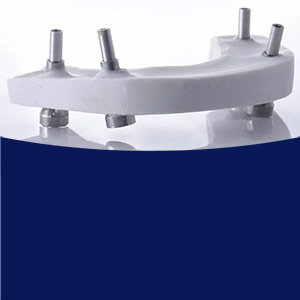
This change isn't pretty much comfort; it's about patient outcomes. New market reports show a rise in the usage of electronic workflows, with an important proportion of laboratories today utilizing Computer-Aided Design and Computer-Aided Manufacturing (CAD/CAM). This technology provides for the creation of restorations with micron-level precision, lowering the necessity for modifications and ensuring a better fit from the start.
The Increase of Digital Impressions
Removed are the occasions of sloppy, uncomfortable alginate impressions that often triggered a patient's gag reflex. The development is moving fast toward intraoral scanning. Data show that the market for intraoral scanners keeps growing dramatically, driven by the need for individual comfort and clinical efficiency.
Electronic impressions provide quick feedback. A dentist can easily see the planning on a display in real-time, repairing errors before the file is also delivered to the lab. This streamlined communication between the clinic and the lab reduces transformation times significantly. Rather than waiting months for a crown, individuals may often have their lasting restorations seated much sooner.
3D Making: Beyond Prototyping
While milling is a addition of digital dentistry for a while, 3D printing is the brand new frontier. It's no further just for versions; laboratories are now actually printing medical manuals, splints, and even denture angles with unbelievable rate and accuracy. The performance of additive manufacturing indicates less substance waste compared to subtractive milling methods.
This technology enables dental specialists to handle complicated geometries that were previously hard or impossible to accomplish by hand. The end result is a degree of modification that really mimics organic dentition.
Material Innovation
Technology isn't more or less equipment; it's by what we devote the mouth. The growth of new products, such as for example high-translucency zirconia and sophisticated ceramics, has been a game-changer. These products provide the power required for posterior teeth while providing the artistic qualities needed for anterior restorations.
The information implies a powerful shift away from metal-based restorations toward these monolithic, metal-free options. This tendency is pushed by patient need for natural-looking smiles and the biocompatibility of the contemporary materials.
Seeking Ahead
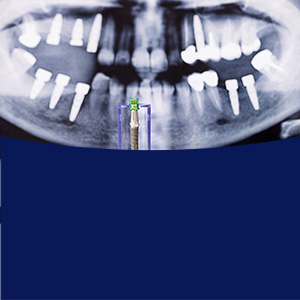
The integration of synthetic intelligence (AI) in style pc software is another major wave. AI calculations are beginning to aid technicians in designing caps and bridges by proposing great designs predicated on thousands of effective cases. That symbiosis of human knowledge and machine understanding claims to elevate the conventional of care also further.
As dental lab technology remains to advance, the hole between the dental chair and the laboratory bench narrows. For dental professionals, keeping abreast of the developments is no longer optional—it's required for supplying the supreme quality attention that contemporary people expect.
Is the practice willing to grasp the digital potential? Discovering these scientific breakthroughs can open new gates for performance and patient satisfaction in your restorative work.